

Understanding the psychology behind gambling behavior in casinos
The Allure of Chance
The thrill of gambling is rooted in the psychological attraction to chance and unpredictability. Casinos are designed to create an immersive environment that heightens excitement and anticipation. From the sound of spinning slot machines to the glimmering lights, every element is meticulously crafted to stimulate the senses and evoke strong emotional responses. This psychological stimulation can lead to increased risk-taking, as players become captivated by the potential for sudden rewards. For those interested in a better experience, quick withdrawal casinos can enhance your enjoyment with faster access to winnings.
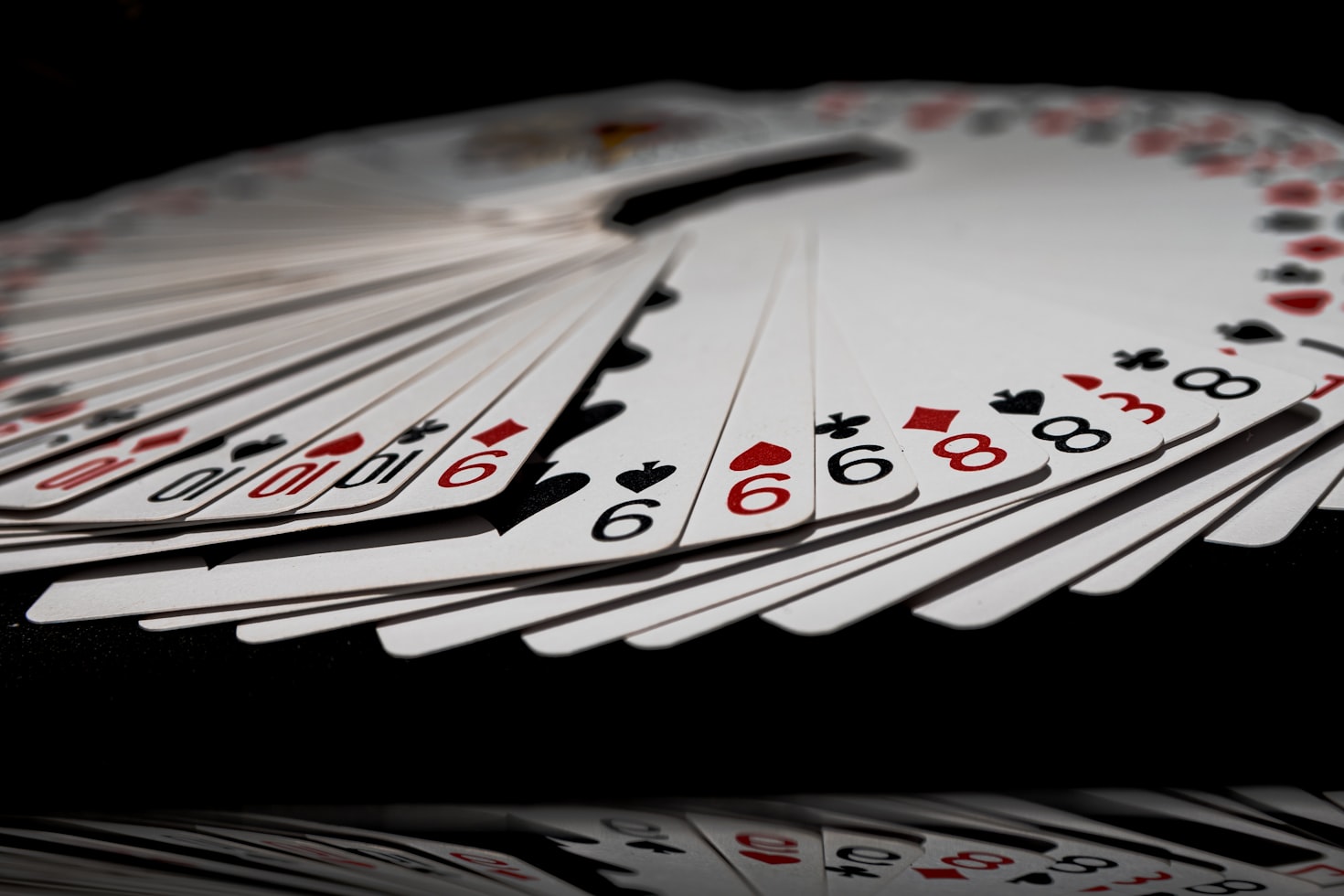
Moreover, the uncertainty of outcomes plays a significant role in gambling behavior. Many people find joy in the thrill of not knowing what will happen next. This unpredictability fuels the desire to engage further, making it challenging to resist the temptation of betting more. The brain’s reward center becomes activated, releasing dopamine and reinforcing the behavior associated with gambling, further deepening the allure.
The Role of Social Influence
Social interactions in casinos can significantly impact gambling behavior. The presence of other players creates a communal atmosphere that encourages participation. Individuals may feel compelled to join in on the excitement, leading to decisions they might not make in solitude. This dynamic can amplify the desire to gamble, pushing individuals toward riskier bets.
Additionally, social proof plays a crucial role in gambling environments. When witnessing others winning, players may feel a heightened sense of possibility, convincing themselves that they could be next. This psychological phenomenon can lead to increased betting and, potentially, greater losses, as individuals chase the fleeting feeling of success demonstrated by their peers.
Addiction and Compulsion
Understanding the psychology behind gambling behavior also involves recognizing the risks of addiction. For some, the thrill transforms into a compulsive need to gamble, overshadowing rational decision-making. The desire to escape from reality or cope with stress can drive individuals to seek solace in casinos, often leading to destructive behavior patterns.
The cycle of gambling addiction is perpetuated by intermittent reinforcement, where sporadic wins encourage continued play despite mounting losses. This phenomenon creates a sense of hope and a belief that a big win is always around the corner, making it difficult for individuals to break free from the cycle of compulsion and risk-taking.
The Impact of Casino Design
The physical layout and design of casinos are strategically created to influence gambling behavior. Elements such as lighting, sound, and even scent are tailored to elicit feelings of comfort and excitement. Casinos often lack clocks and windows, creating a disorienting environment that encourages extended play without awareness of time. This deliberate design contributes to the immersion, making it easier for players to lose track of their spending and time.
Additionally, the arrangement of games within casinos can lead to increased gambling. High-stakes areas are often designed to draw in high rollers, creating an air of exclusivity and excitement. The combination of design and psychological manipulation makes it challenging for players to maintain self-control, resulting in higher spending and a greater likelihood of developing problematic gambling behavior.

Discover Responsible Gaming Resources
Understanding the psychology behind gambling behavior is essential for fostering a healthier gaming environment. Websites dedicated to responsible gaming offer valuable resources for players seeking to understand their habits and make informed choices. By providing information on risk factors, self-assessment tools, and tips for maintaining control, these platforms empower individuals to engage in gambling responsibly.
Ultimately, recognizing the underlying psychological elements of gambling can lead to a more balanced approach to gaming. Players who are aware of the potential influences at play can better navigate the casino experience, ensuring that gambling remains an enjoyable pastime rather than a detrimental behavior.